No, “Baa Baa Black Sheep” Is Not About the Slave Trade
Every so often the same story goes around: a nursery has “banned” “Baa Baa Black Sheep” for racism, or the rhyme is secretly a lament about the transatlantic slave trade. Both claims are sturdier as outrage than as history. The rhyme is old, its subject is unremarkable, and the dramatic readings do not survive a look at the record.
The Real Story
- Popular claim
- 'Baa Baa Black Sheep' is a coded rhyme about the slave trade and is banned as racist.
- Verdict
- Myth
- The record
- The rhyme is about valuable dark wool; the slavery reading and the 'bans' are modern misunderstandings.
What the rhyme actually meant
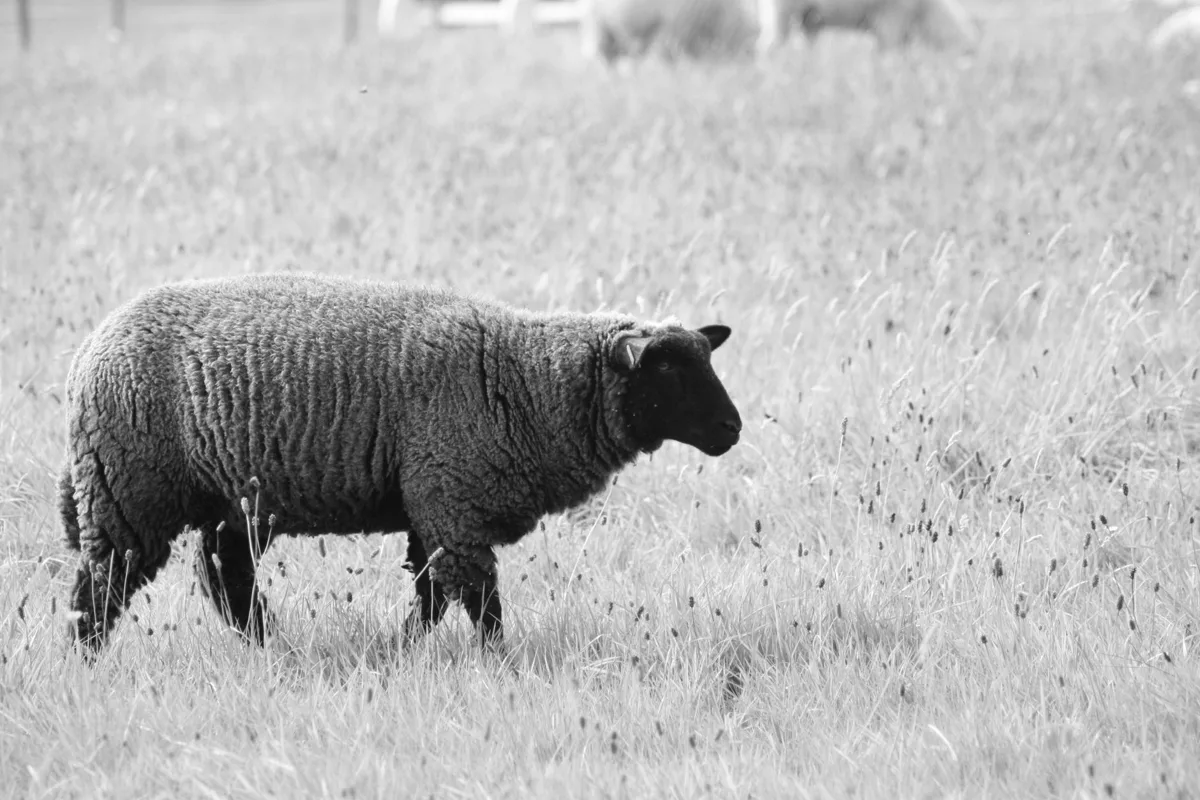
“Baa, Baa, Black Sheep” first appears in print around 1744, in Tommy Thumb’s Pretty Song Book, which makes it one of the older datable English nursery rhymes. Its subject is exactly what it announces: a black sheep and the three portions of its wool. And black wool genuinely mattered — naturally dark fleece could be made into cloth without dyeing, a real practical advantage in a world where dye was costly. So “three bags full,” divided among the people in a child’s small world, is a homely bit of accounting about a useful product, not a coded grievance.
The wool-tax reading
A popular gloss holds that the rhyme encodes a medieval wool tax — that the “master,” “dame,” and “little boy who lives down the lane” represent the king, the church, and the farmer dividing the proceeds under the Great Custom, a duty imposed on wool exports in 1275. It is a tidy theory, and it may gesture at a real truth about how central wool was to the English economy. But it is an interpretation laid over the verse centuries later, not a documented origin. Treat it as a plausible story, not a proven one — the same caution we apply to every “secret meaning.”
The slavery misreading
The idea that “black” here refers to enslaved people rather than to the actual colour of a sheep is a modern misreading with no historical basis. Nothing in the rhyme’s long recorded life connects it to the slave trade; it is, transparently, about wool. The reading works only by ignoring the plain subject of the song and importing a meaning the words never carried — the reverse of how honest etymology proceeds.
The “banned” urban legend
The recurring “banned by political correctness” stories are a genre of folklore in their own right. When these tales have actually been traced — for instance by fact-checkers examining the periodic panics from the 1980s onward — they generally dissolve into exaggeration, a single school tweaking a song for a lesson, or outright invention. A rhyme being quietly sung in thousands of nurseries is not the same as a rhyme being “banned,” however satisfying the headline. The story spreads because indignation travels well, not because it is true.
Why these claims keep coming back
Both the slavery reading and the ban rumour endure because they tap strong feelings — moral seriousness in one case, culture-war grievance in the other — and strong feelings are what carry a claim regardless of evidence. Setting them against the actual record is not a defence of anything except accuracy. For how these confident “hidden meanings” take hold and spread, see the real history of nursery rhymes.
Sources
- Iona and Peter Opie, The Oxford Dictionary of Nursery Rhymes (1951).
- “Baa, Baa, Black Sheep,” Wikipedia.
- Tommy Thumb’s Pretty Song Book (c. 1744), earliest known printing.