What Does “Knick-Knack Paddywhack” Even Mean?
The counting song ‘This Old Man’ is nonsense with a murky past — including a phrase whose meaning has been argued over for years.

The counting song ‘This Old Man’ is nonsense with a murky past — including a phrase whose meaning has been argued over for years.

The plague, a stopping heart, an escaping soul — the popular reasons for ‘bless you’ are folklore. The custom is old, but its origin is murky.
Ammunition belts? Cloth for a suit? Concrete? Every confident origin for ‘the whole nine yards’ fails — the phrase is honestly unsolved.

Wishing performers a broken leg is a real theatrical superstition — but its origin is genuinely unknown, despite many confident stories.

The image of a wounded soldier biting a bullet through surgery is vivid — and probably not the real source of the phrase.
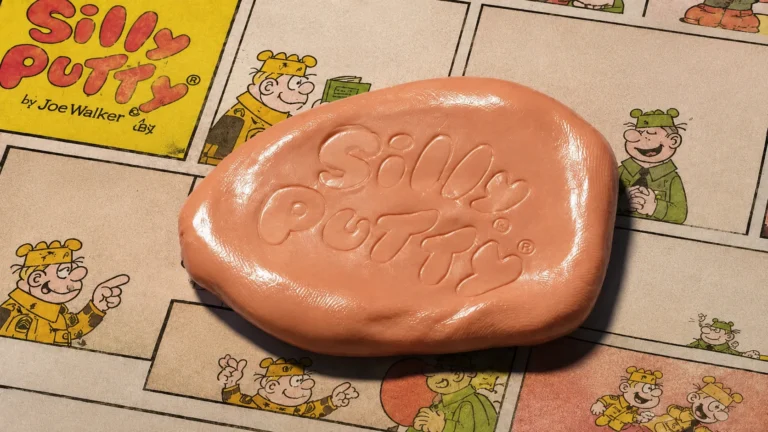
Trying to invent a synthetic rubber for the war effort, a scientist made a bouncing putty with no practical use — until a toy seller saw it.
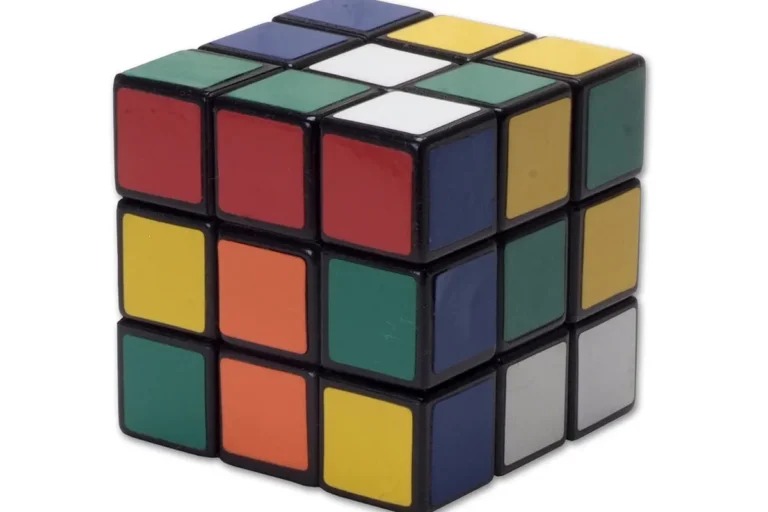
Ernő Rubik didn’t set out to make a toy — he built the cube to teach three-dimensional geometry, then struggled to solve it himself.

The yo-yo isn’t a 20th-century fad — versions appear in ancient Greece, and the modern craze has Filipino roots.
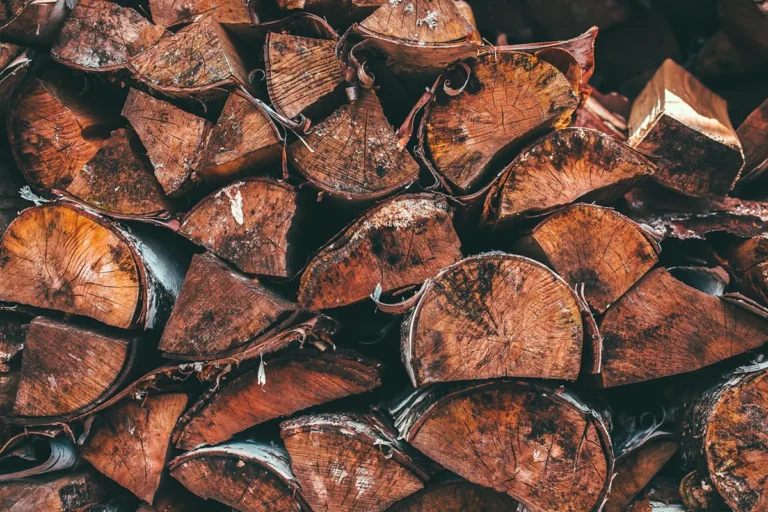
Touching wood for luck is a real, widespread custom — but its origin is genuinely uncertain, despite confident tales of tree spirits.
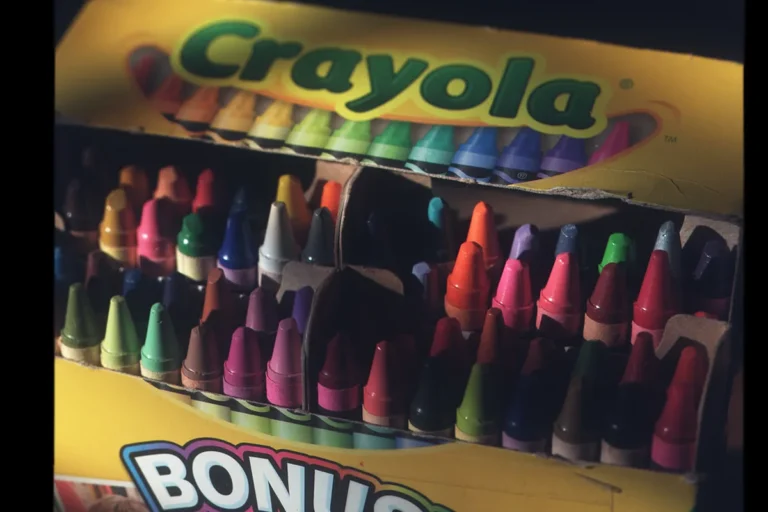
The name blends the French word for chalk with a hint of ‘oily’ — coined by the founder’s wife in 1903.