Silly Putty Was a Failed Wartime Experiment
Trying to invent a synthetic rubber for the war effort, a scientist made a bouncing putty with no practical use — until a toy seller saw it.
The real origin stories behind familiar toys, characters, and mascots.
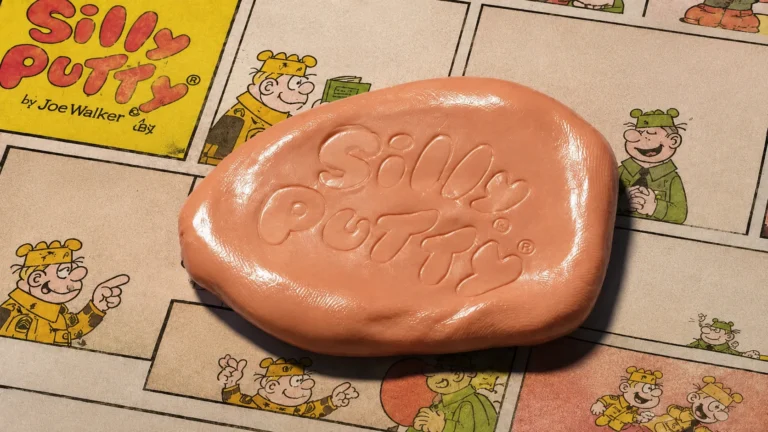
Trying to invent a synthetic rubber for the war effort, a scientist made a bouncing putty with no practical use — until a toy seller saw it.
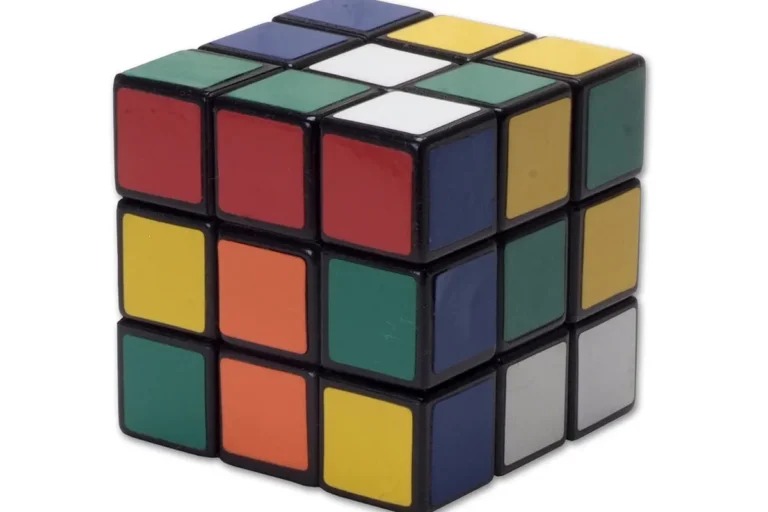
Ernő Rubik didn’t set out to make a toy — he built the cube to teach three-dimensional geometry, then struggled to solve it himself.
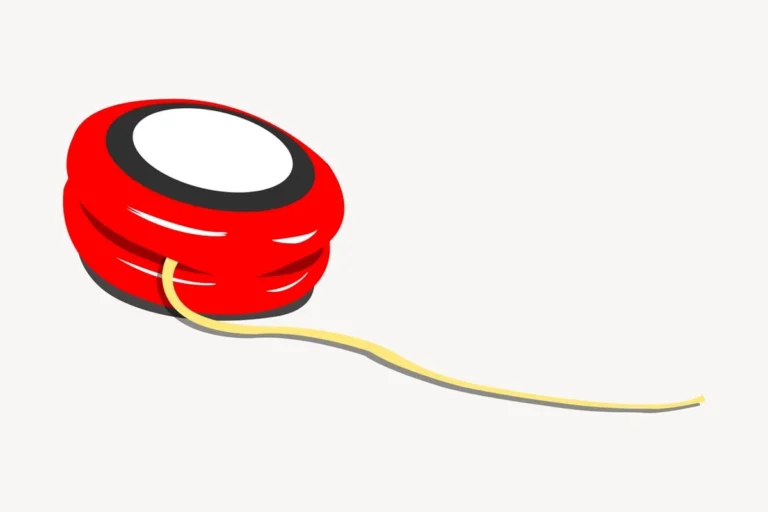
The yo-yo isn’t a 20th-century fad — versions appear in ancient Greece, and the modern craze has Filipino roots.
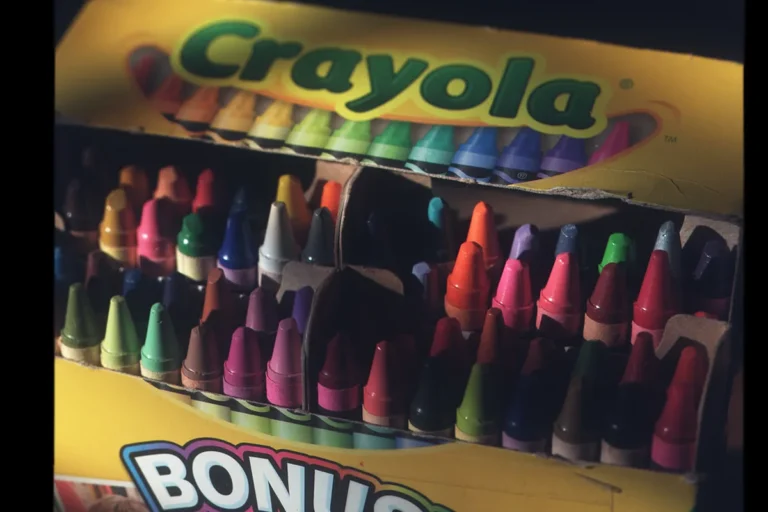
The name blends the French word for chalk with a hint of ‘oily’ — coined by the founder’s wife in 1903.
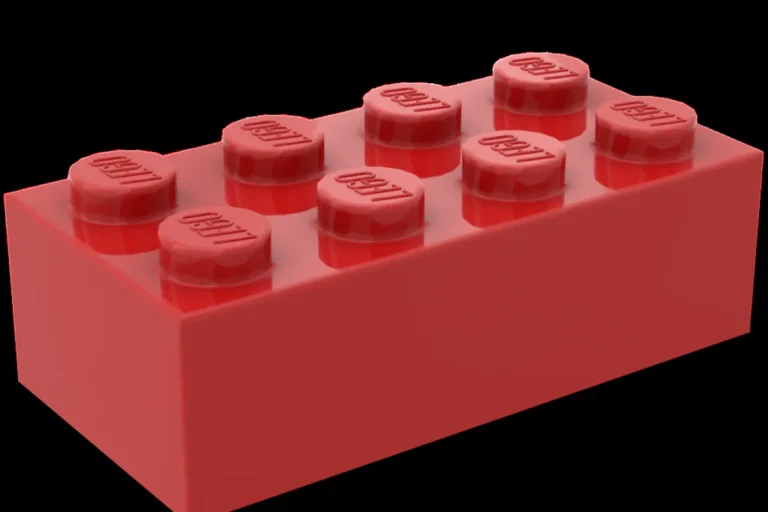
The name comes from Danish for ‘play well’ — and the fact that it also means ‘I assemble’ in Latin is a genuine coincidence.
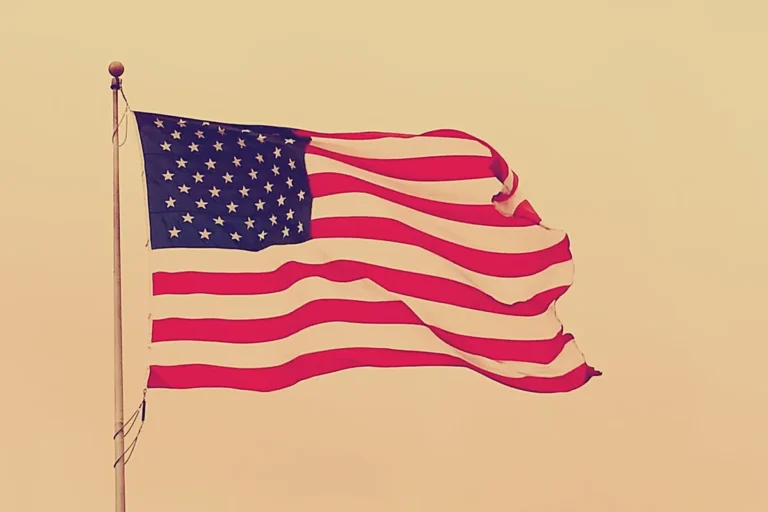
The national symbol may trace to a real meatpacker named Samuel Wilson — though the story is part fact, part folk etymology.
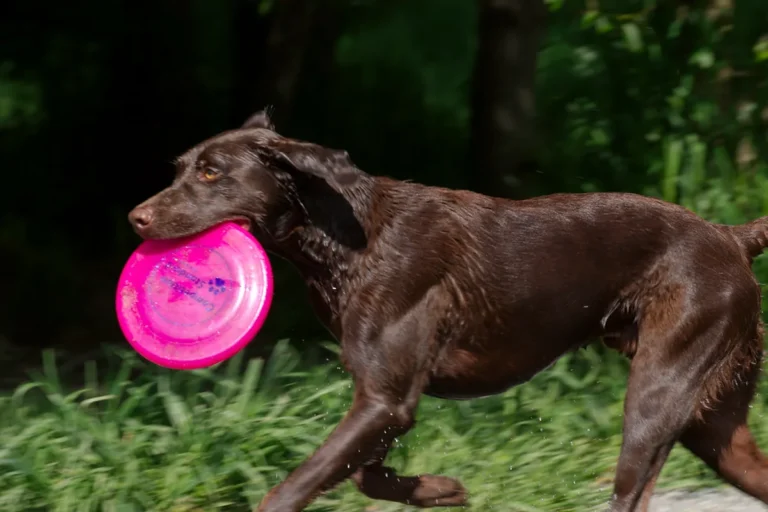
College students threw empty Frisbie Pie Company tins for fun. When a plastic flying disc came along, the name stuck (respelled).
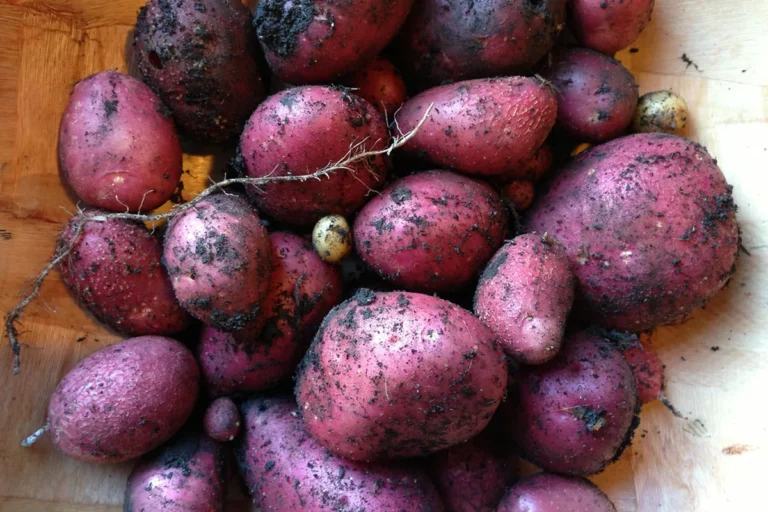
When Mr. Potato Head launched in 1952, it was just a set of pushpin facial features — you supplied your own potato.
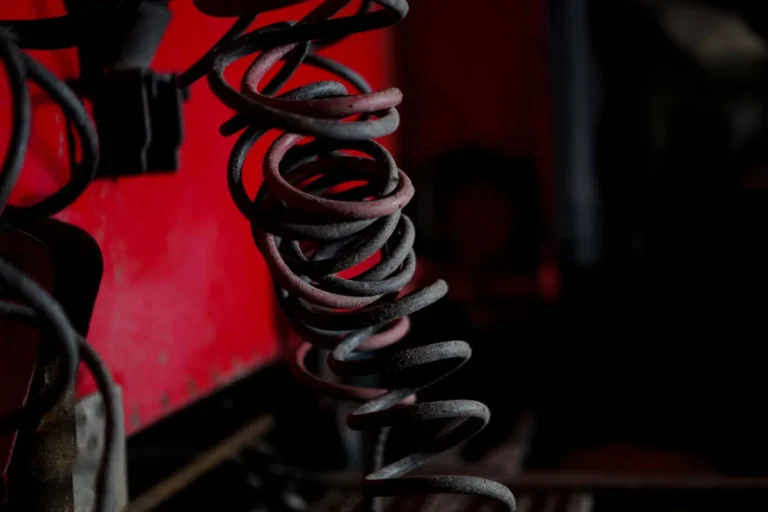
A spring meant to steady ship instruments fell off a shelf and ‘walked’ — and a naval engineer realized he had a toy.
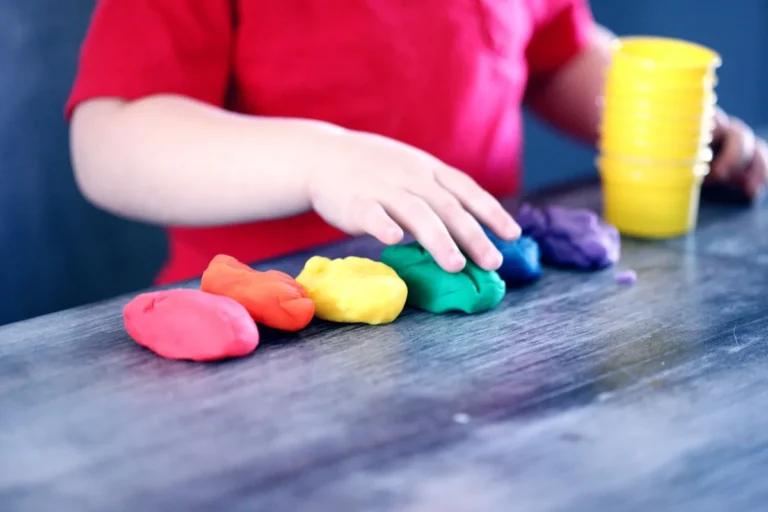
Before it was a children’s toy, Play-Doh was a putty sold to scrub coal soot off wallpaper. A dying product, saved by a new use.