The Rubik’s Cube Was a Teaching Tool First
The popular story, checked against the evidence.
The Real Story
- Popular claim
- The Rubik's Cube was designed as a toy puzzle.
- Verdict
- True (a teaching aid)
- The record
- Ernő Rubik, a professor of architecture and design, built it in 1974 to explore 3D geometry, not as a commercial puzzle.
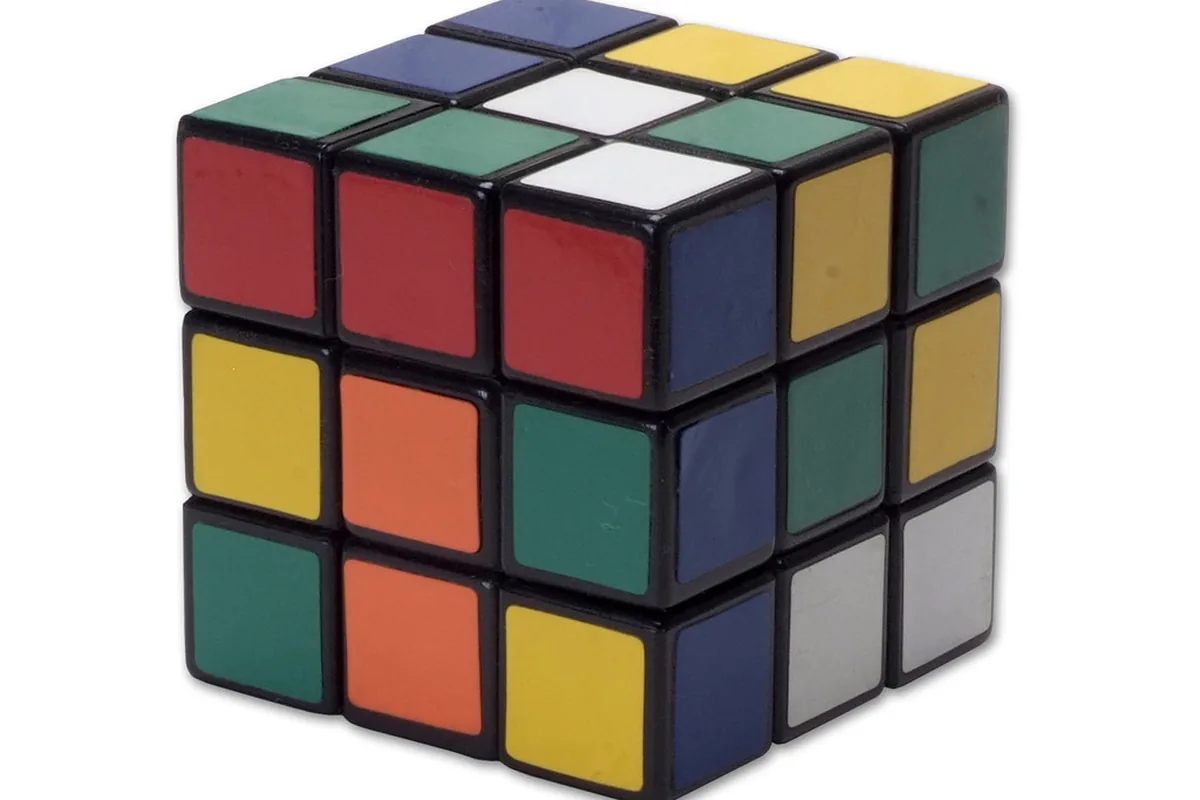
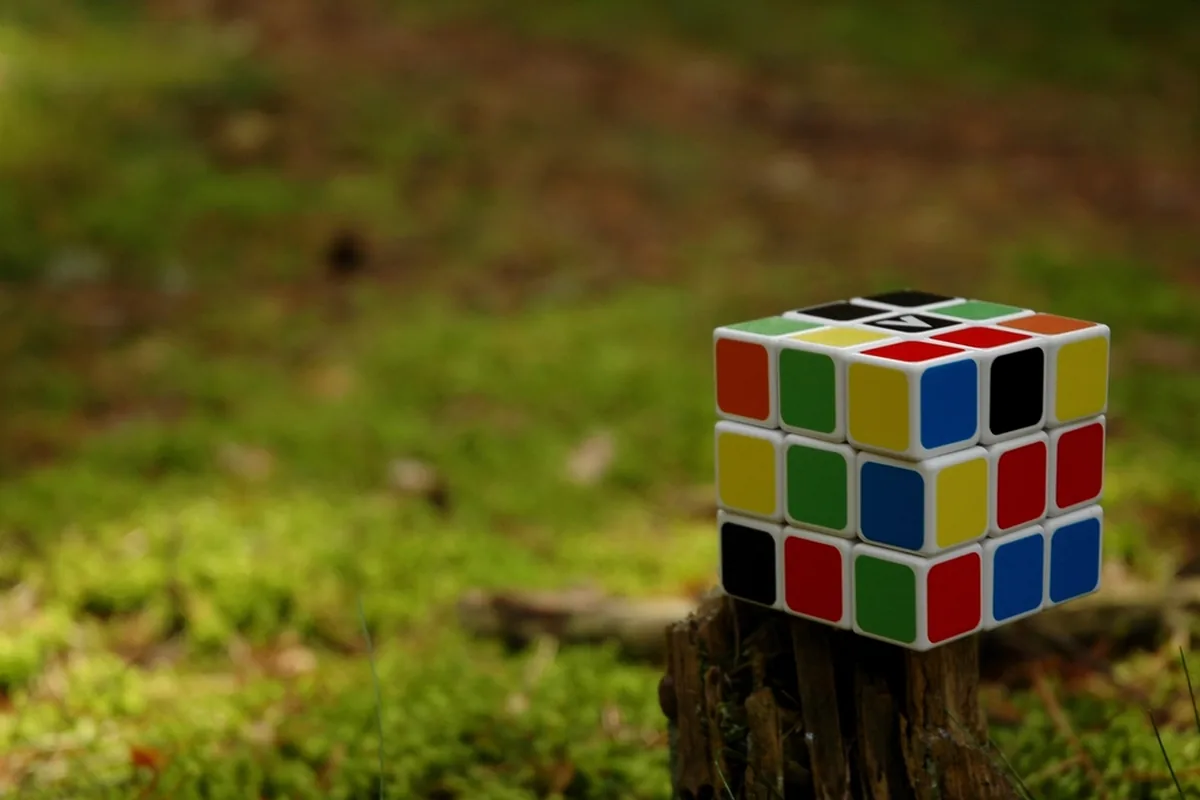
The best-selling puzzle in history did not begin as a puzzle at all. The Rubik’s Cube was born in a design classroom, as a way to think about space — and its inventor had to work out how to solve his own creation.
A professor’s problem
Ernő Rubik was a Hungarian professor of architecture and design, not a toy maker. In 1974 he was interested in a genuinely hard structural question: how could you build an object of small cubes that could twist and rotate on every axis, with the individual pieces moving freely, without the whole thing simply falling apart? Solving that mechanical puzzle — the hidden internal mechanism that holds the cube together while letting it turn — was itself the first achievement. He also saw it as a teaching aid, a hands-on way for students to grapple with three-dimensional geometry and the movement of parts in space.
Solving his own cube
It was only after he built it, scrambled the colours, and tried to restore them that Rubik realised he had made something more than a design exercise. By his own account, it took him roughly a month to work out how to solve it — a striking detail, given he had designed it. That difficulty was the spark: if the inventor was absorbed and frustrated for weeks, the object clearly had a pull far beyond the classroom.
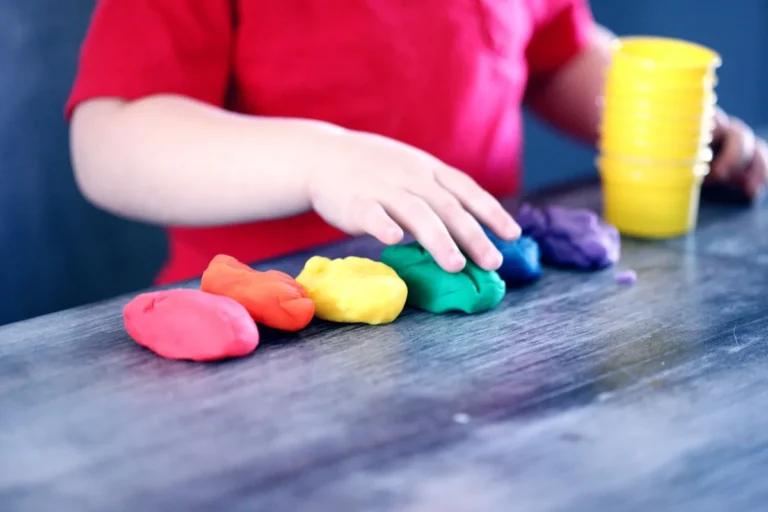
Originally sold in Hungary as the “Magic Cube,” it was later renamed the Rubik’s Cube and became a worldwide sensation in the early 1980s. The teaching aid had become one of the most recognisable toys on the planet — another object whose familiar identity hides a very different original purpose, like Play-Doh.
The verdict
True. The Rubik’s Cube was created in 1974 by a professor of architecture and design as an exploration of three-dimensional geometry and structure — a teaching tool that became a global toy. For more, see the true stories behind famous toys and mascots.
Sources
- “Rubik’s Cube” and Ernő Rubik, Wikipedia.