The True Stories Behind Famous Toys and Mascots
The objects of childhood tend to arrive with suspiciously clean origin stories: a kindly inventor, a flash of inspiration, a happy accident tied up with a bow. The real histories are messier, more human, and usually better — shaped by newspaper cartoons, business rivalries, wartime laboratories, and events that were not entirely wholesome to begin with. Pull the thread on almost any beloved toy and you find a story the marketing quietly tidied away.
This is the hub for our work on toys, characters, and mascots. For each one we go to the documented record: who actually made it, what it was really responding to, and where the familiar retelling smooths over something stranger.
The tidy inventor is often a myth
A striking number of iconic toys were not dreamed up by the person who got the credit. The clearest case is Monopoly: the Depression-era tale of lone inventor Charles Darrow is a marketing fiction that erased Lizzie Magie, who patented the game decades earlier to attack the very landlordism it now celebrates. Even a national symbol like Uncle Sam turns out to be part real meatpacker, part folk etymology, part cartoonist’s invention. The “who invented it” question rarely has the clean answer the box implies.
Accidents and appropriations
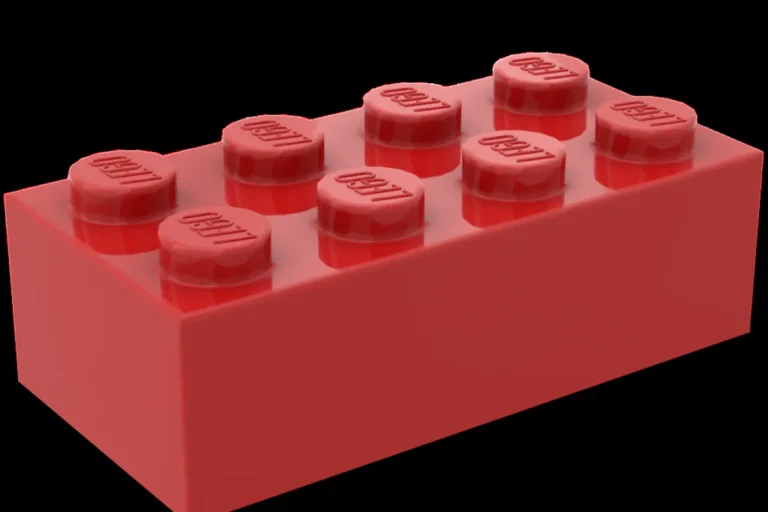
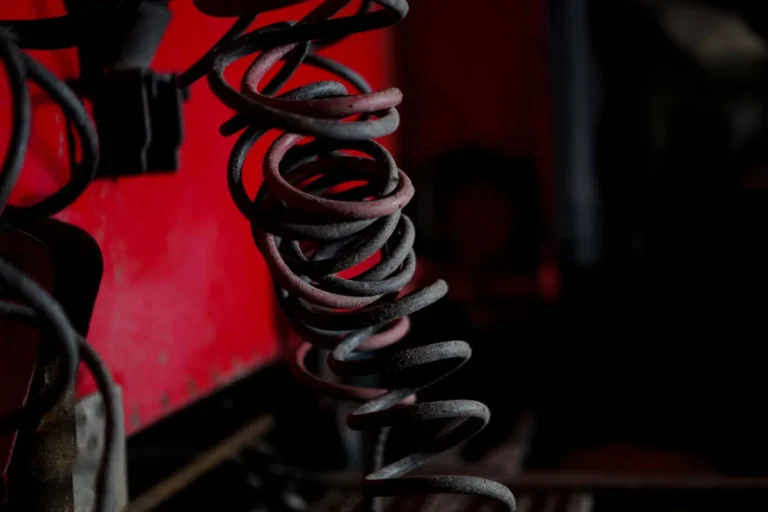
Many toys were something else entirely before they were toys. Play-Doh was a wallpaper cleaner. Silly Putty was a failed wartime rubber substitute. The Slinky was a naval-instrument spring that fell off a shelf. Others were borrowed across cultures: Barbie was modelled on a risqué German novelty doll for adults, and the yo-yo is an ancient toy revived through Filipino craftsmanship. Even the names hide stories — the Frisbee is named after a pie company, and “Lego” is Danish for “play well,” not the Latin pun everyone quotes.
Wholesome is not the same as true
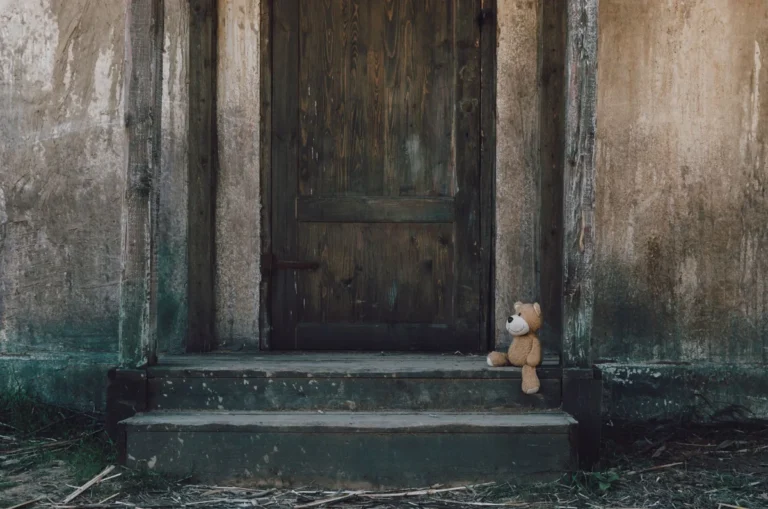
The mascots are the same. The teddy bear really is named after Theodore Roosevelt sparing a bear — but the actual 1902 hunt involved an exhausted animal clubbed, tied, and killed with a knife, softened into a cute cub only by a cartoonist. Smokey Bear was a poster before he was a rescued cub. The pattern repeats: a “true origin” and a “wholesome origin” are not always the same thing, and the gap between them is usually where the interesting history lives.
Why the fuller story is better
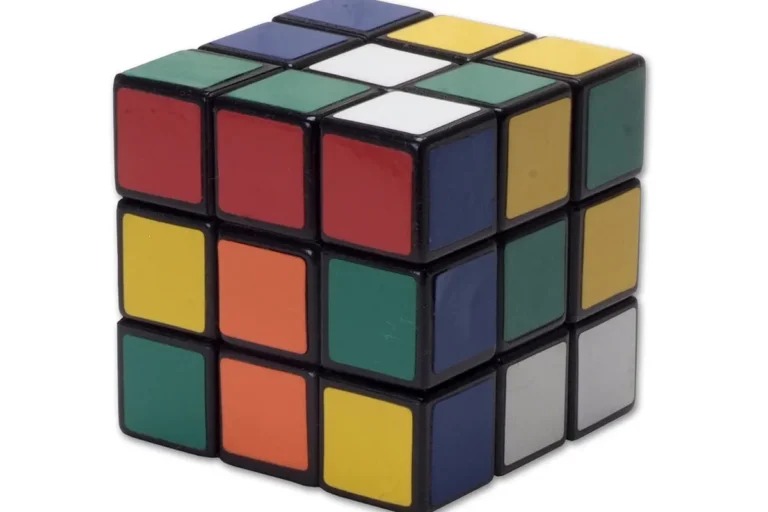
None of this is meant to spoil anyone’s childhood. Knowing that the Rubik’s Cube began as a design professor’s geometry teaching aid, or that Mr. Potato Head once required a real potato, makes these objects more interesting, not less. Every entry here cites its sources so you can follow the trail back to the record — and rediscover the familiar toy as something a little stranger and a lot more human than the legend on the packaging.