Why Do We Say “Bless You” When Someone Sneezes?
The plague, a stopping heart, an escaping soul — the popular reasons for ‘bless you’ are folklore. The custom is old, but its origin is murky.
The genuine roots of everyday sayings and superstitions, and the folk etymologies that get repeated but are not true.

The plague, a stopping heart, an escaping soul — the popular reasons for ‘bless you’ are folklore. The custom is old, but its origin is murky.

Ammunition belts? Cloth for a suit? Concrete? Every confident origin for ‘the whole nine yards’ fails — the phrase is honestly unsolved.

Wishing performers a broken leg is a real theatrical superstition — but its origin is genuinely unknown, despite many confident stories.

The image of a wounded soldier biting a bullet through surgery is vivid — and probably not the real source of the phrase.

Touching wood for luck is a real, widespread custom — but its origin is genuinely uncertain, despite confident tales of tree spirits.
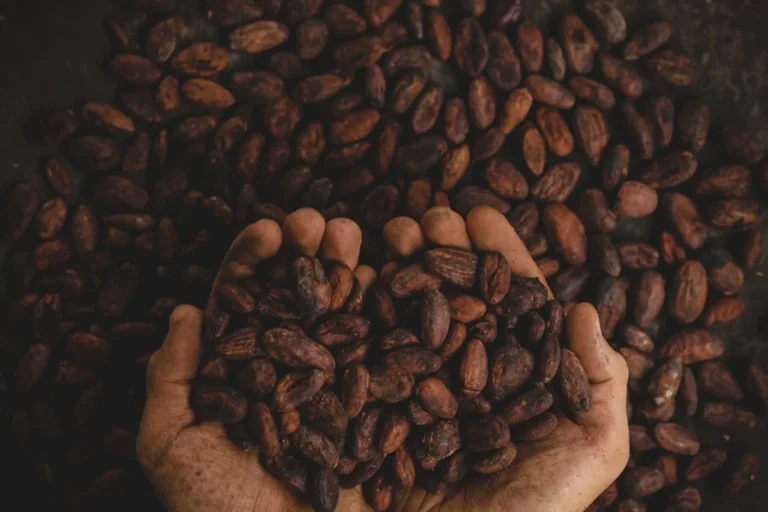
The popular ‘ancient Greek voting’ origin for ‘spill the beans’ is almost certainly a myth. The real source is more recent and uncertain.
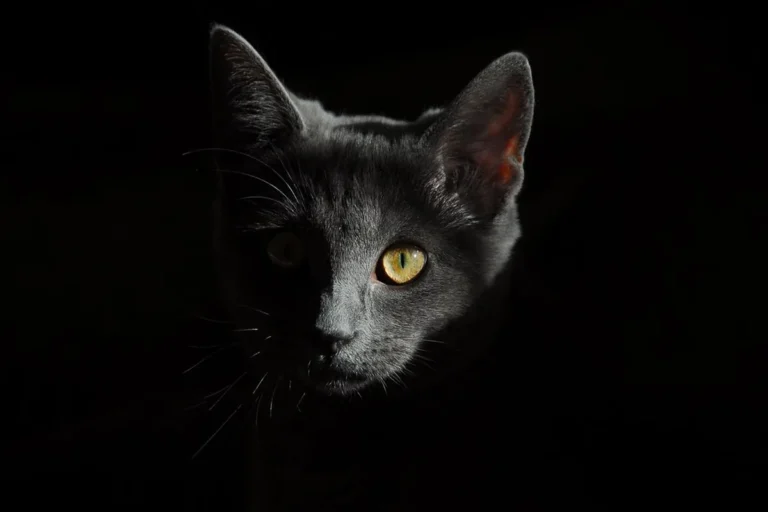
The black-cat superstition really does have medieval roots — but whether a cat is unlucky depends entirely on where you are.
Unlike most colorful phrases, ‘caught red-handed’ has a literal, well-documented origin — blood on the hands, and old Scots law.

The popular claim that Friday the 13th began with the Templars’ 1307 arrest is modern. The superstition’s real roots are older and separate.

The popular claim that ‘sleep tight’ comes from tightening the ropes of old beds is folk etymology. ‘Tight’ simply means ‘soundly.’