Did Soldiers Really “Bite the Bullet” During Surgery?
The popular story, checked against the evidence.
The Real Story
- Popular claim
- 'Bite the bullet' comes from soldiers biting a bullet during surgery without anesthesia.
- Verdict
- Doubtful
- The record
- The battlefield-surgery origin is poorly evidenced; the phrase is first clearly attested in 1891, source uncertain.
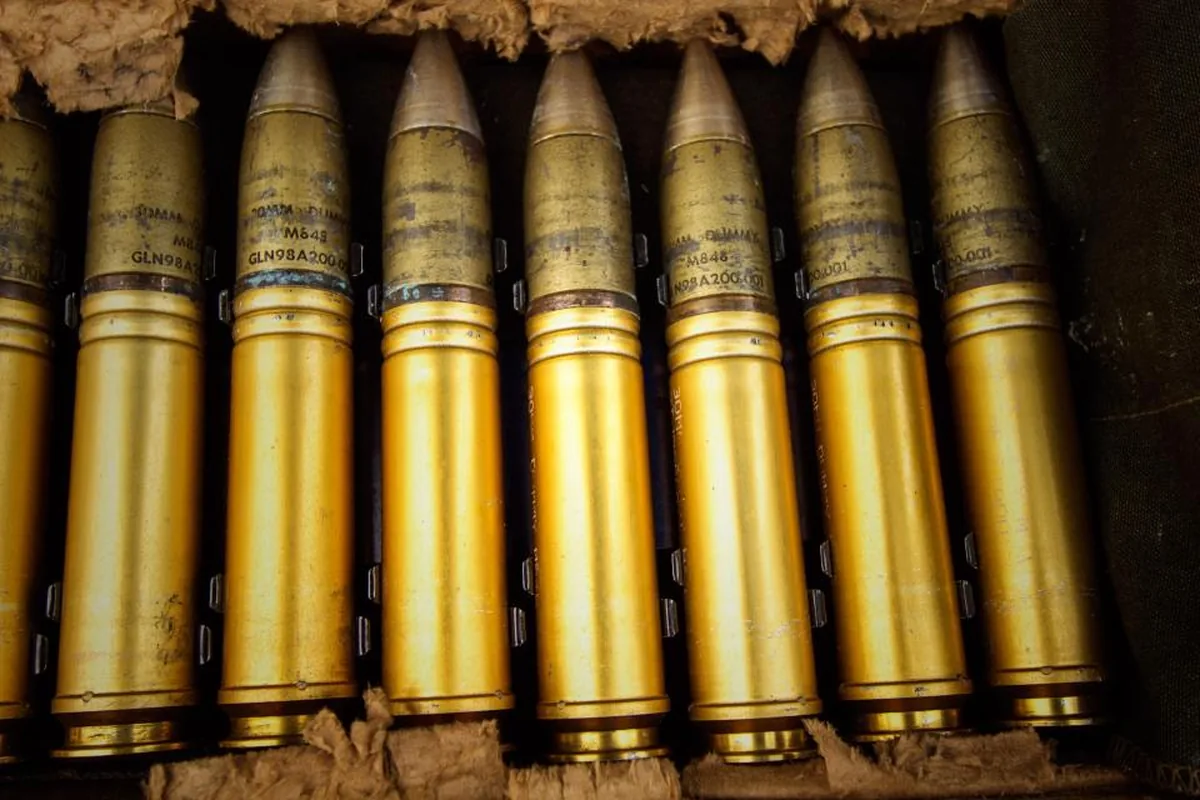
“Bite the bullet” comes with a ready-made picture: a wounded soldier, no anaesthetic available, given a lead bullet to clamp between his teeth so he can endure the surgeon’s knife. It is cinematic and grim. It is also doubtful as the actual source of the phrase.
The problems with the surgery story
Several things make the battlefield-surgery origin shaky. For serious surgery, a soft leather strap or a gag would be a far more sensible thing to bite than a hard lead ball, and contemporary medical practice tended toward such aids where anything was used at all. The vivid “bite the bullet” image is asserted more than it is documented; it is the kind of explanation that sounds so fitting that people stop asking whether it is true. And crucially, the phrase’s history in print does not obviously begin on an operating table.
What the record shows
The expression, in the sense of steeling yourself to endure something painful or unpleasant, is first clearly attested in Rudyard Kipling’s 1891 novel The Light That Failed, where a character is urged to “bite on the bullet” and take pain bravely. Where Kipling got it — whether from a real military practice, an existing saying, or the general toughness of soldierly culture — is not certain. There are older references to biting on things to bear pain, but a clean, documented line from surgical necessity to the modern idiom is missing.
So the honest position is that the origin is uncertain, and the specific surgery story should be treated as plausible folklore rather than fact — the same caution we apply to “saved by the bell.”
The verdict
Doubtful. The battlefield-surgery origin is poorly evidenced; the phrase surfaces clearly in 1891, and its true source is uncertain. For more sayings weighed honestly, see the real origins of everyday sayings.
Sources
- Rudyard Kipling, The Light That Failed (1891).
- “Bite the bullet,” etymology references and the Oxford English Dictionary.