The Original Beauty and the Beast Was Far Longer and Stranger
The popular story, checked against the evidence.
The Real Story
- Popular claim
- Beauty and the Beast has always been the simple tale we know.
- Verdict
- Trimmed down
- The record
- Villeneuve's 1740 version is long and complex; the familiar short form is Beaumont's 1756 abridgment.
Beauty and the Beast is unusual among fairy tales in that its “original” is not darker so much as bigger — a long, intricate literary work that was later cut down to the streamlined story we know. The version in our heads is an abridgment of an abridgment.
Villeneuve’s sprawling tale
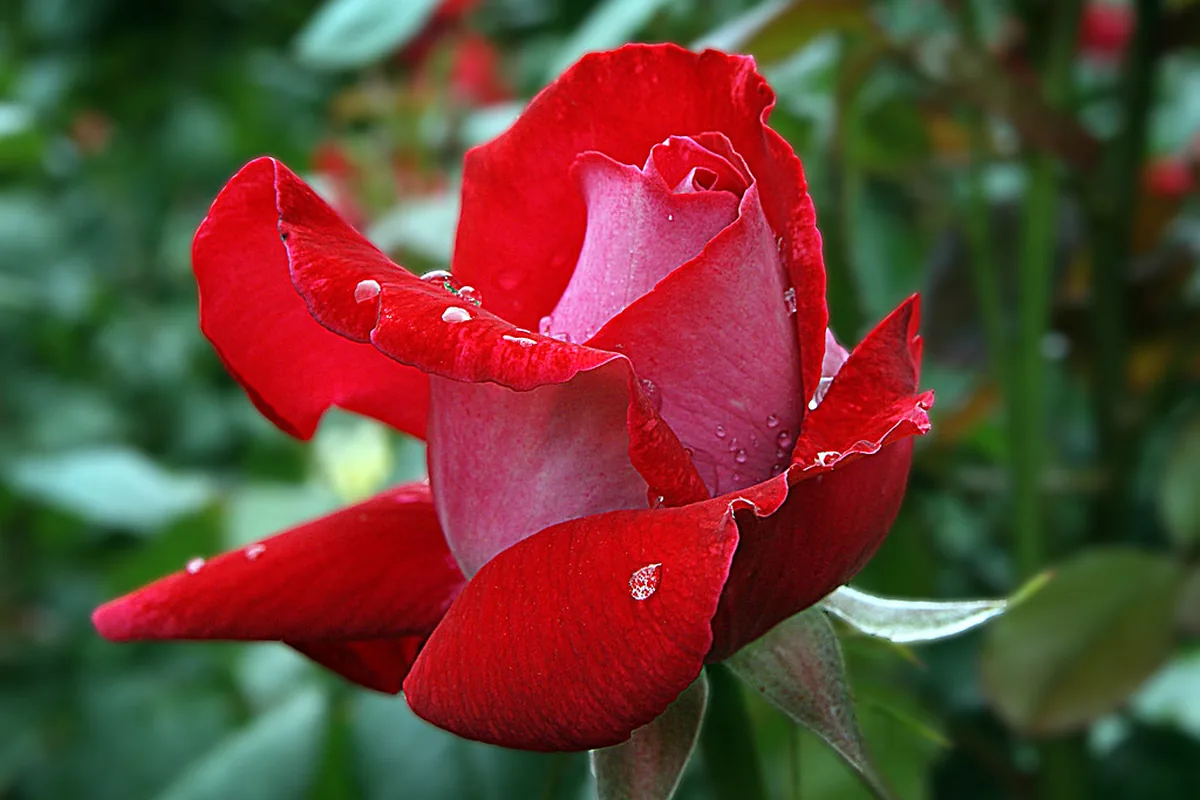
The first full literary version was written by Gabrielle-Suzanne Barbot de Villeneuve and published in 1740. It is far longer and more complicated than any modern retelling. Beyond the familiar core — a merchant, a plucked rose, a daughter given to a Beast in a magical castle — Villeneuve piles on elaborate backstory: warring fairies, a hidden royal parentage for Beauty, and lengthy explanations of how the prince came to be enchanted in the first place. Much of the second half is taken up with courtly and fairy intrigue that most readers today have never encountered. It was written for adults, in the tradition of the French literary fairy tale.
Beaumont’s trim
The version that conquered the world came sixteen years later. In 1756, Jeanne-Marie Leprince de Beaumont published a much shorter adaptation aimed at young readers, stripping away Villeneuve’s dense subplots and fairy genealogies to leave the clean moral fable of inner virtue over outer appearance. It is Beaumont’s lean version, not Villeneuve’s sprawling one, that became the standard and that later stage and screen adaptations drew upon.
So the “true” Beauty and the Beast is not a lost tale of hidden horror but a lost tale of hidden length — a rich, adult story that was edited for children and simplified further over centuries. It is a useful corrective to the assumption that the earliest version is always the grimmest; sometimes it is just longer, as we note across the dark origins of fairy tales.
The verdict
Trimmed down. The familiar tale is Beaumont’s 1756 abridgment of Villeneuve’s far longer and stranger 1740 original — a story reshaped by editing rather than censorship. Compare the evolution of Goldilocks.
Sources
- Gabrielle-Suzanne de Villeneuve, La Belle et la Bête (1740).
- Jeanne-Marie Leprince de Beaumont, abridged Beauty and the Beast (1756).
- “Beauty and the Beast,” Wikipedia.