The Dark Side of the Original Peter Pan
J. M. Barrie’s Peter Pan is stranger and more melancholy than Disney — a boy who forgets, courts death, and ‘thins out’ the Lost Boys.
What the oldest recorded versions of the fairy tales actually said, before later retellings softened them.
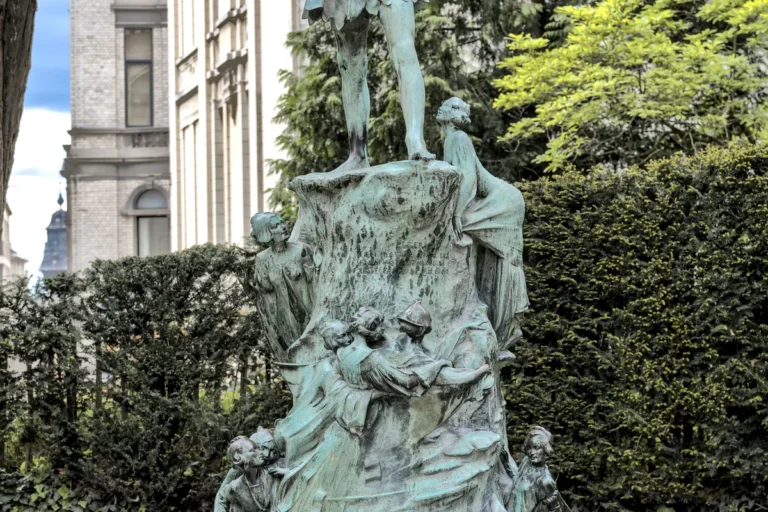
J. M. Barrie’s Peter Pan is stranger and more melancholy than Disney — a boy who forgets, courts death, and ‘thins out’ the Lost Boys.
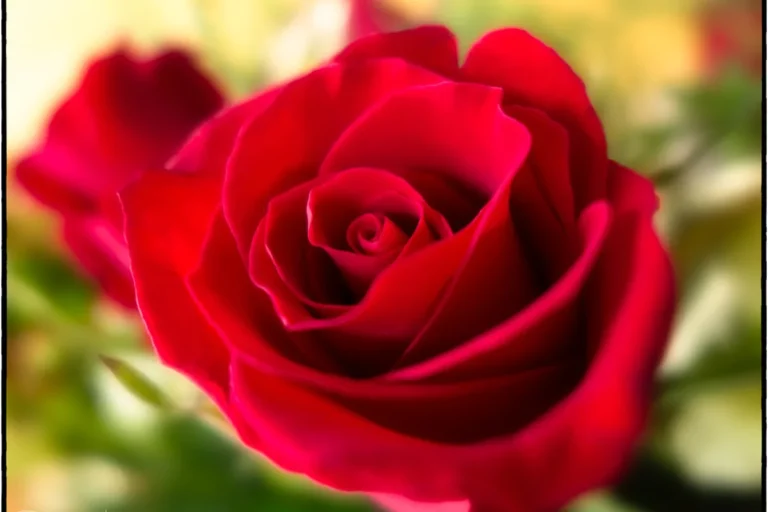
The familiar tale is an abridgment. Villeneuve’s 1740 original is a sprawling story of fairies, backstories, and arranged marriage.
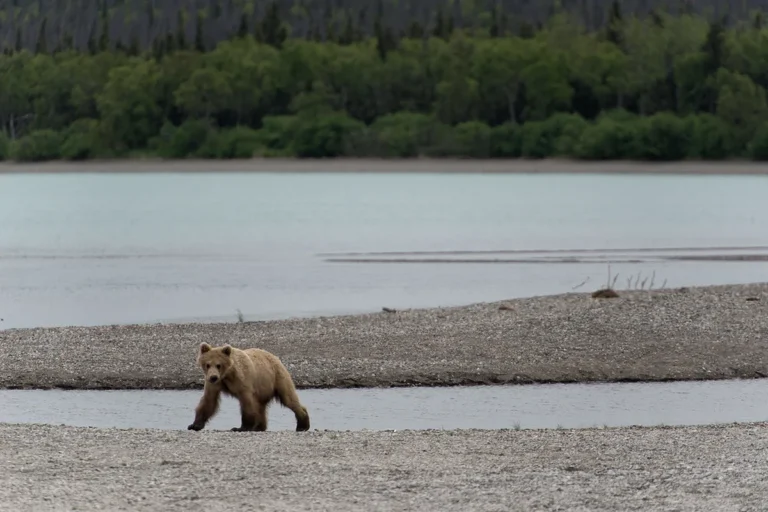
The golden-haired girl is a latecomer. The intruder in ‘The Three Bears’ began as an ugly old woman — and before that, a fox.
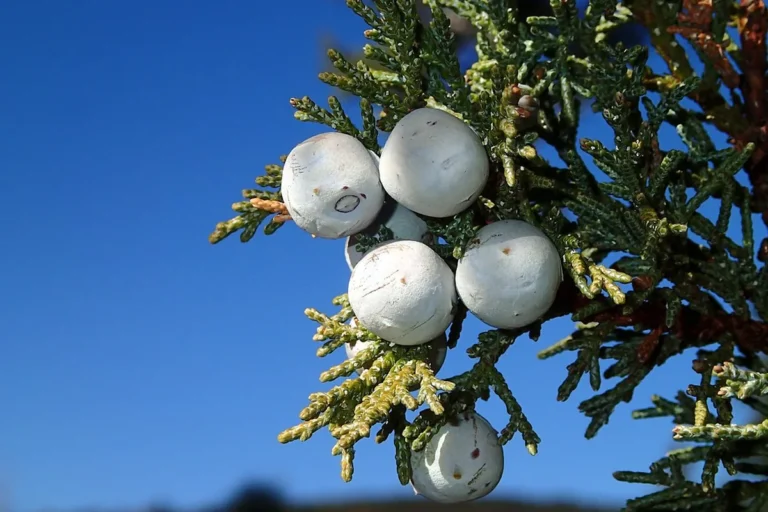
A stepmother beheads a boy, cooks him into a stew, and serves him to his father. ‘The Juniper Tree’ may be the darkest Grimm story of all.
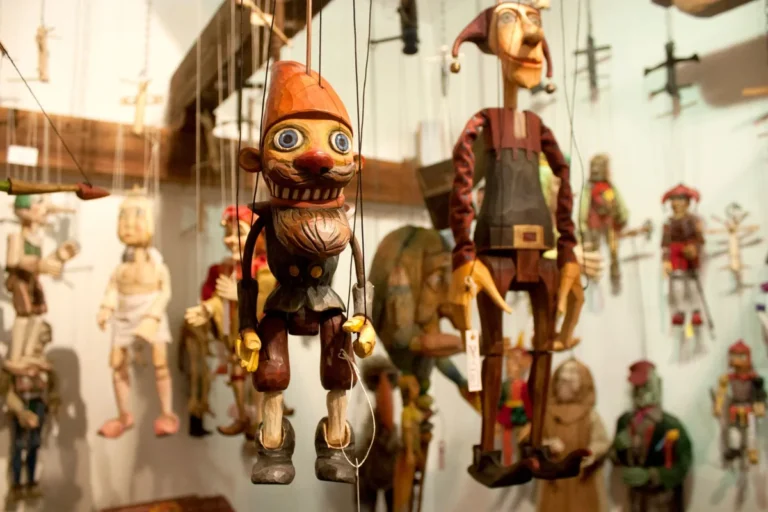
Carlo Collodi’s Pinocchio is a cruel puppet who murders the Talking Cricket — and the story was first meant to end with his hanging.
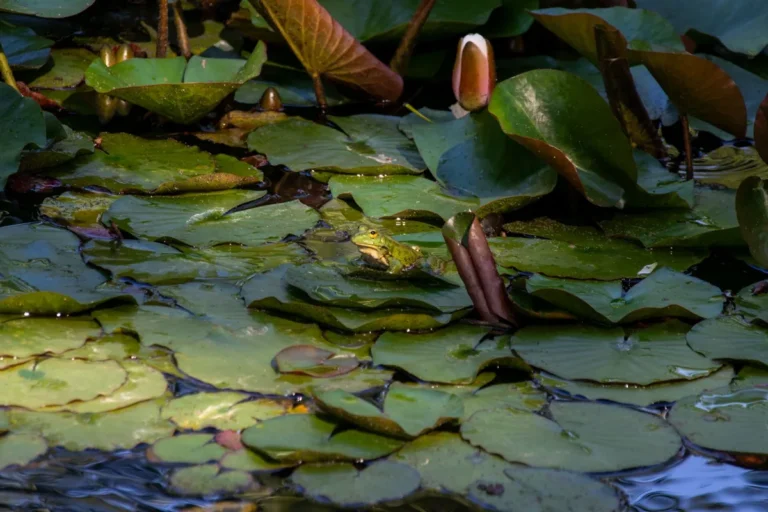
The Grimms’ princess doesn’t kiss the frog — she hurls him against the wall in disgust. That’s when he becomes a prince.
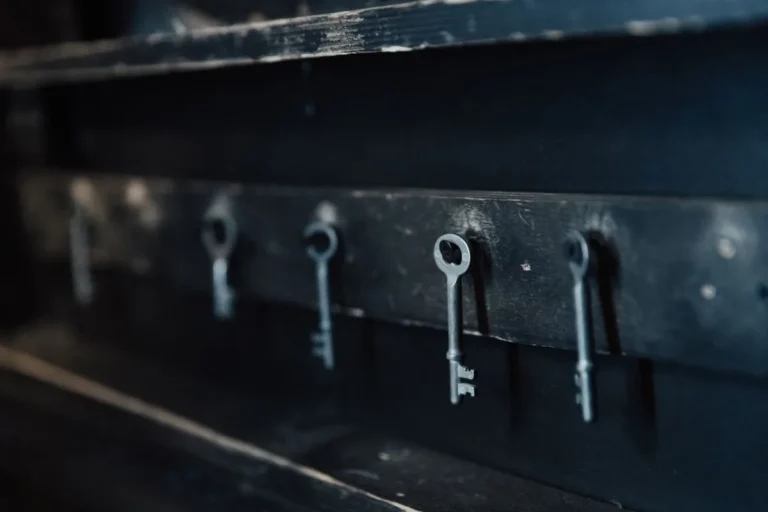
Bluebeard needs no ‘darker original’ — Perrault’s 1697 tale is openly about a wife-murderer and a forbidden room full of bodies.
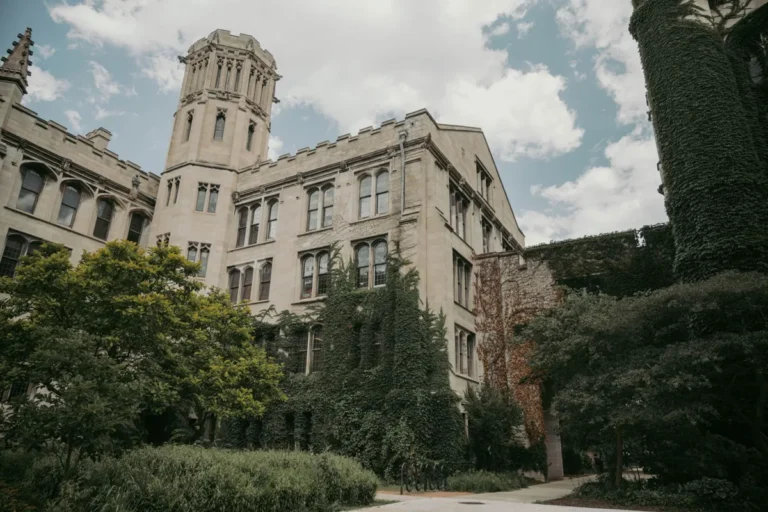
The Grimms’ Rapunzel is a more adult story than the film — a secret affair, twins born in the wilderness, and a prince blinded by thorns.
The Grimms’ tale of children abandoned to starve and a witch who eats them is genuinely grim — and some think it echoes real famine.

The Grimms’ Rumpelstiltskin ends with the little man ripping his own body in half in a rage. The original ending, and what it means.