What on Earth Does “Pop Goes the Weasel” Mean?
The popular story, checked against the evidence.
The Real Story
- Popular claim
- 'Pop Goes the Weasel' has one clear, known meaning.
- Verdict
- Genuinely debated
- The record
- Several plausible readings exist — pawning a coat, a spinner's tool — and the true meaning is honestly uncertain.
Most of our investigations end by deflating a confident myth. This one is different. “Pop Goes the Weasel” is a case where the mystery is real, the explanations genuinely compete, and the honest answer is that nobody is sure. That uncertainty is worth celebrating rather than papering over.
The pawnshop reading
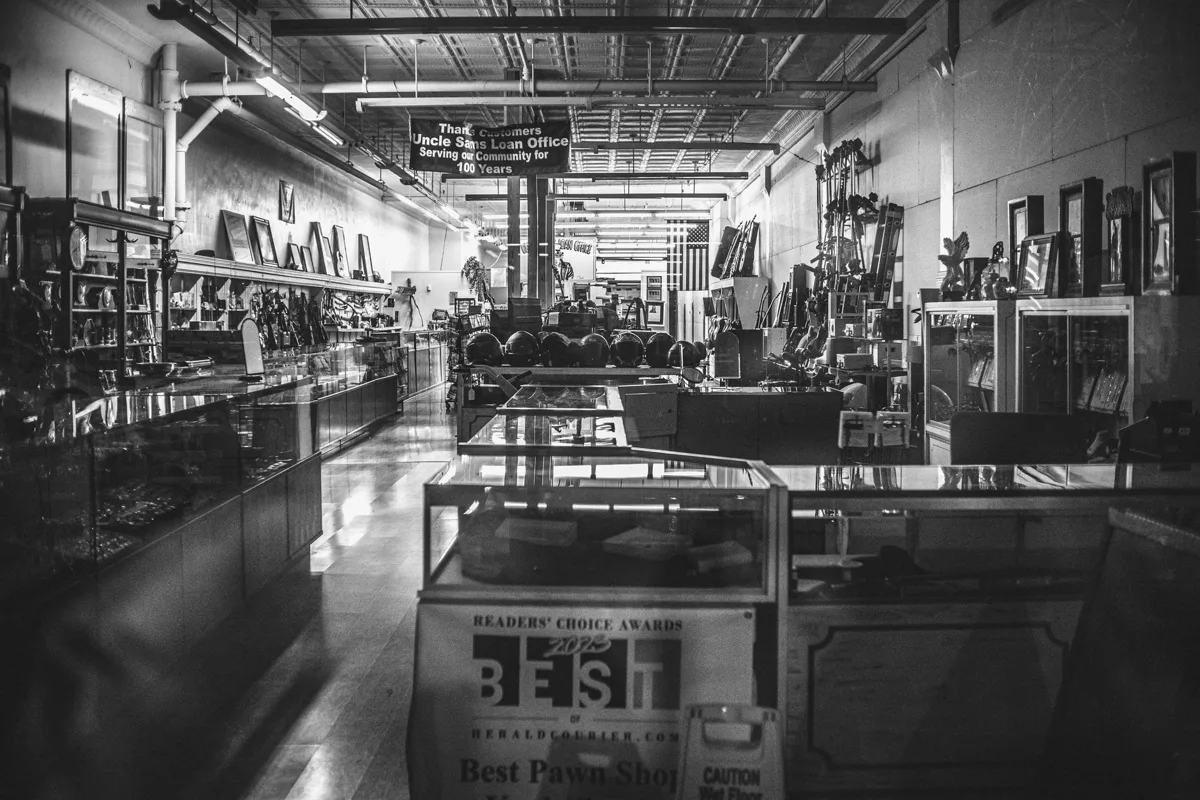
The most popular explanation treats the rhyme as a wry ditty about being broke. In this reading, “pop” is old slang for pawning something, and the “weasel” is Cockney rhyming slang — “weasel and stoat” standing in for “coat.” To “pop the weasel,” then, is to pawn your coat when the money runs out, perhaps after a night’s spending — which fits the verse about going “in and out the Eagle,” a real London pub, and finding the cash gone. It is a neat, human little story of payday and its aftermath.
The spinner’s weasel
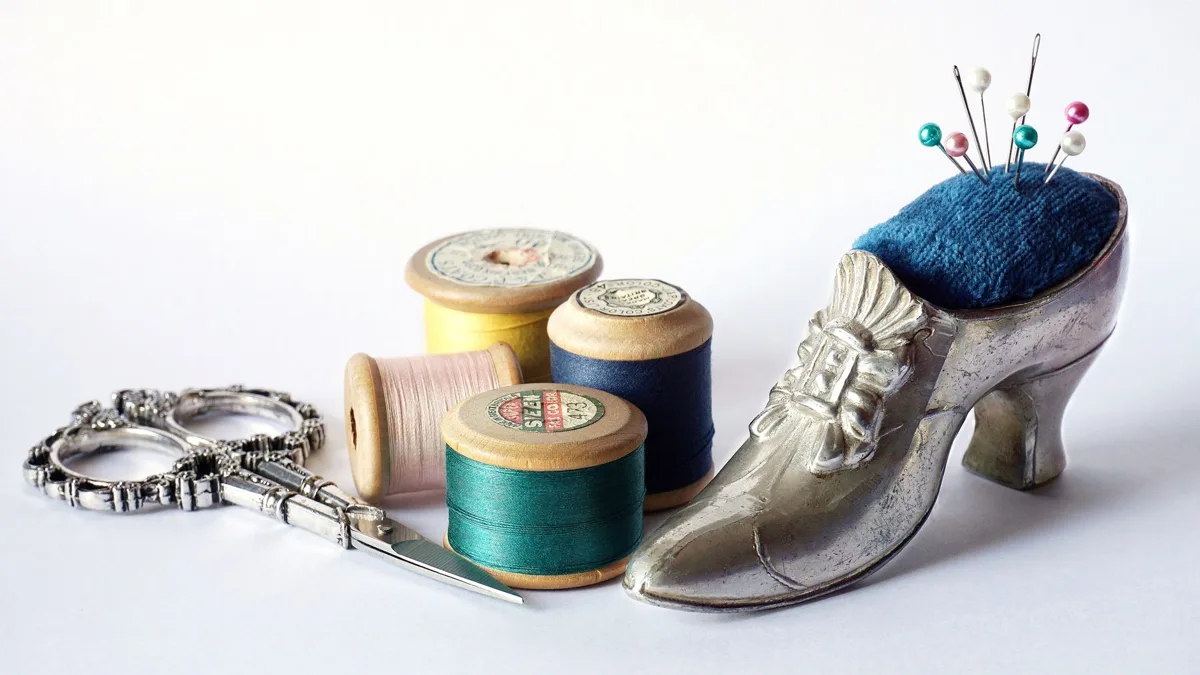
A rival reading takes “weasel” literally — as the name of a tool. A spinner’s weasel was a device for measuring yarn that clicked or “popped” when a set length had been wound. On this account the rhyme is a workroom song, and “pop goes the weasel” is simply the sound of the tool marking a finished skein. Others have suggested a hatter’s or tailor’s implement. Each of these has the virtue of taking the words at face value.
Why we can’t simply decide
The difficulty is that the evidence does not cleanly favour one reading. The rhyme is a nineteenth-century dance tune whose verses accumulated and varied, and the slang it may or may not contain is hard to date precisely against it. Both stories are plausible; neither is proven. Rather than force a verdict, the responsible thing is to lay out the candidates and admit the gap — the same discipline we apply when we conclude that a phrase’s origin is honestly unknown.
The verdict
Genuinely debated. “Pop Goes the Weasel” may be about pawning a coat, or about a clicking yarn-measure, or something else again — and the truthful position is that we do not know. Not every mystery has a tidy solution, a theme that runs through the real history of nursery rhymes.
Sources
- Iona and Peter Opie, The Oxford Dictionary of Nursery Rhymes (1951).
- “Pop Goes the Weasel,” Wikipedia.