The Original Little Mermaid Turns to Sea Foam
The popular story, checked against the evidence.
The Real Story
- Popular claim
- The original Little Mermaid does not have a happy ending.
- Verdict
- True
- The record
- In Andersen's 1837 tale she loses the prince, refuses to kill him, and dissolves into sea foam.
Disney’s mermaid marries her prince. Hans Christian Andersen’s does not — and the distance between the two endings is the distance between a romance and a tragedy about longing. Andersen’s “Den lille Havfrue” (1837) is one case where the “darker original” is not gory so much as quietly devastating.
A bargain paid in pain
Andersen’s little mermaid wants two things at once: the prince, and the immortal soul that humans have and merfolk do not. The sea witch grants her legs, but the price is relentless. Her tongue is cut out as payment. Every step she takes on her new feet feels as though she is walking on knife blades, and she will feel it for the rest of her life. And the bargain carries a lethal condition: if the prince marries another, she will die the morning after his wedding and dissolve into foam on the water.
The prince marries someone else
The prince is fond of the silent, graceful girl he found on the shore, but he loves — and marries — another woman, believing it was she who rescued him. There is no last-minute recognition, no reversal. On the wedding night the mermaid is given one final, terrible chance by her sisters, who have traded their long hair to the witch for it: a knife, and the instruction that if she kills the prince and lets his blood fall on her feet, she may become a mermaid again and live.
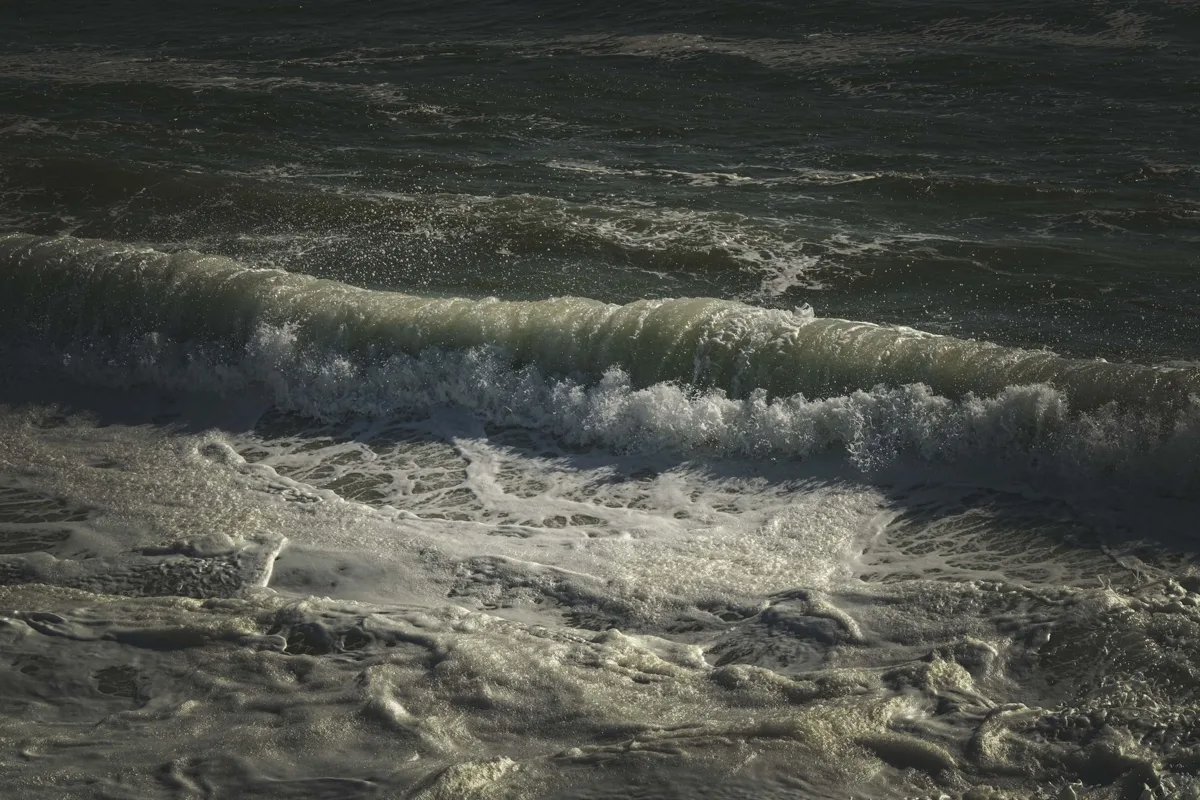
She cannot do it. She looks at the sleeping prince and his bride, throws the knife into the sea, and lets herself dissolve into foam as the sun rises.
The consolation Andersen added
Andersen, uneasy about ending on pure annihilation, gave the story a spiritual coda. Rather than simply ceasing to exist, the mermaid becomes a “daughter of the air,” a spirit who may, through centuries of good deeds, eventually earn the immortal soul she longed for. Readers still argue about whether this softens the ending or merely postpones the heartbreak. Either way, it is a world away from a wedding.
The verdict
The claim is true: no prince, no marriage, a heroine who chooses her own death over murder and turns to foam. It is bleaker and stranger than the film — and, many readers think, more beautiful. For more tales reshaped on their way to us, see the dark origins of fairy tales.
Sources
- Hans Christian Andersen, “Den lille Havfrue” (“The Little Mermaid”), 1837.
- “The Little Mermaid,” Wikipedia.
- Maria Tatar, The Annotated Hans Christian Andersen (Norton, 2008).