Smokey Bear Was a Cartoon First — Then a Real Cub Arrived
The popular story, checked against the evidence.
The Real Story
- Popular claim
- Smokey Bear was inspired by a real orphaned bear cub.
- Verdict
- True, in reverse
- The record
- The Smokey campaign began in 1944; the real rescued cub came in 1950 and was matched to the existing character.
Almost everyone knows there was a real Smokey Bear — a burned cub pulled from a wildfire and made into a mascot. The detail that surprises people is the order of events. The cartoon came first. The living bear was cast to play a character that already existed.
Born on a wartime poster
Smokey Bear began not in a forest but in an advertising campaign. During the Second World War, with manpower stretched thin and fear that enemy action or simple carelessness could ignite America’s forests, the U.S. Forest Service and the Ad Council launched a fire-prevention campaign. In 1944 they introduced a friendly cartoon bear in a ranger’s hat to carry the message. Smokey and his warning about preventing forest fires were, at first, entirely a work of illustration and slogan.
The cub who took the role
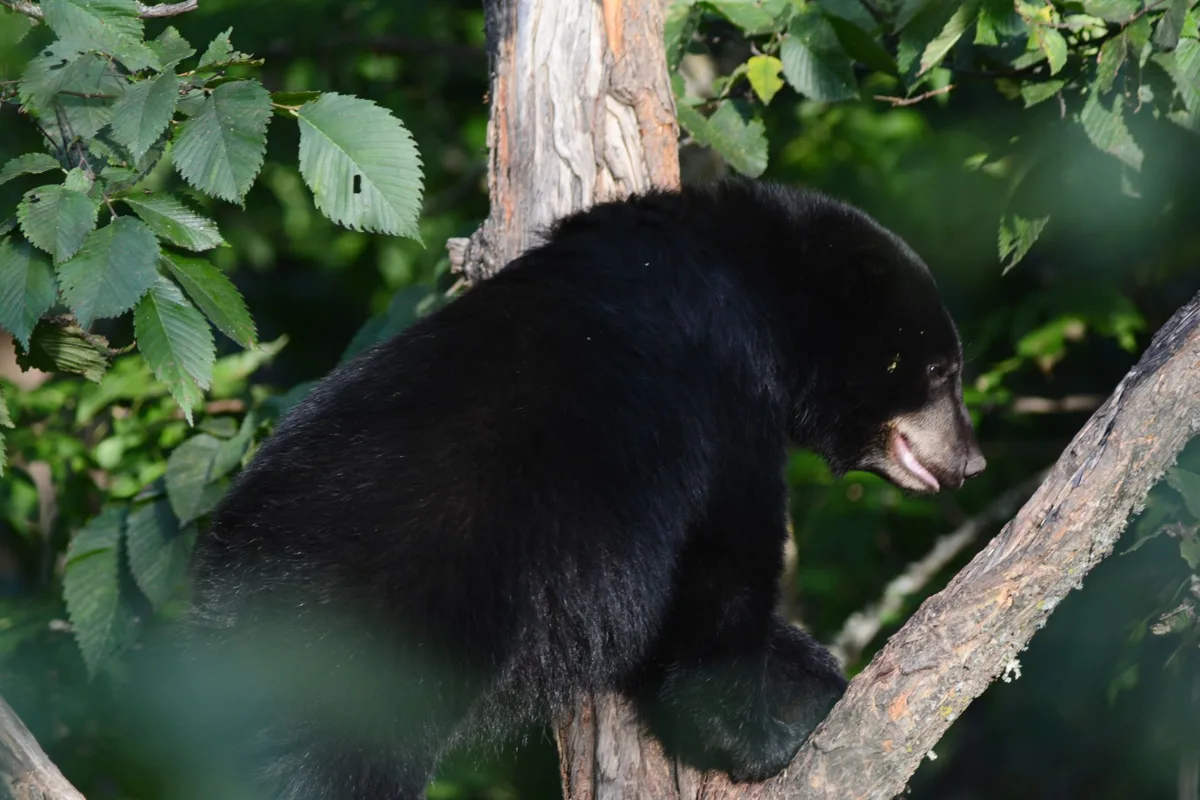
The real bear entered the story six years later. In the spring of 1950, a fire swept through the Capitan Mountains of New Mexico, and firefighters found a black bear cub that had climbed a tree to escape the flames, badly burned on his paws and legs. He survived, and his rescue captured the public’s imagination. Named Smokey after the already-famous character, he was flown to the National Zoo in Washington, where he lived for decades as the living embodiment of the campaign, drawing so much mail that he was eventually given his own zip code.
So the popular belief — that a rescued cub inspired the mascot — gets the sequence backwards. The mascot inspired the naming of the cub, and the cub then gave the mascot a real, breathing face. Both are true; they simply happened in the opposite order to the one people assume.
The verdict
True, in reverse. Smokey was a 1944 cartoon first; the real burned cub arrived in 1950 and was matched to the character he now represents. It is a small correction that makes the story richer, not poorer — the kind of nuance we look for across the true stories behind famous toys and mascots.
Sources
- USDA Forest Service, official Smokey Bear history.
- “Smokey Bear,” Wikipedia.