The Real Origin of Groundhog Day: Candlemas and a Badger
A crowd gathers before dawn in a small Pennsylvania town to watch a large rodent be lifted from a burrow and, supposedly, forecast the weather. It looks like the purest kind of American folk nonsense — charming, arbitrary, invented. In fact, almost every element of Groundhog Day is inherited, and the groundhog itself is a substitute for an animal that never lived anywhere near Pennsylvania.
The Real Story
- Popular claim
- Groundhog Day is a modern American novelty.
- Verdict
- Older than you think
- The record
- It descends from Candlemas weather lore and a German tradition of a hibernating animal predicting the season.
It all hangs on a date
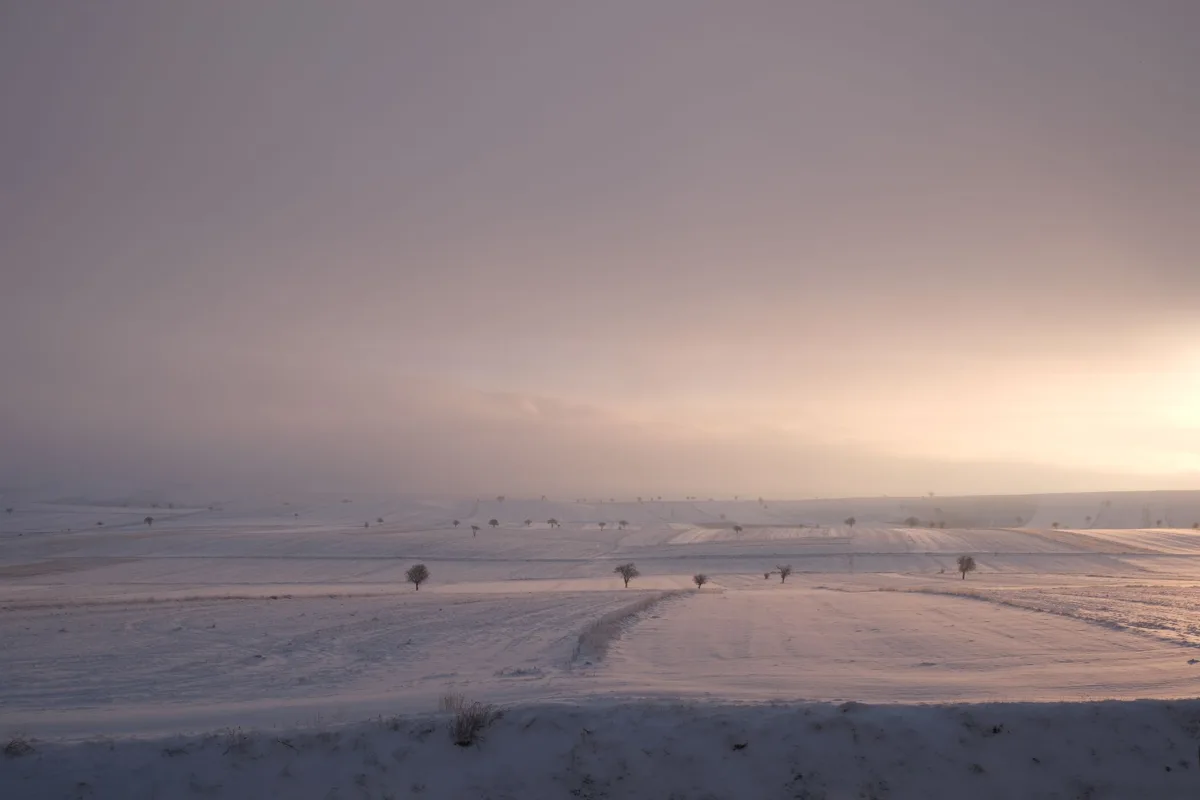
The key is that Groundhog Day falls on February 2 — and that date was significant long before any groundhog was involved. February 2 is Candlemas, a Christian feast marking the midpoint between the winter solstice and the spring equinox. Candlemas arrived with its own body of weather lore, preserved in old rhymes across Europe: “If Candlemas be fair and bright, winter will have another flight; if Candlemas brings clouds and rain, winter will not come again.” The belief that this specific day’s weather predicts the length of the season is the true seed of the whole tradition.
The astronomy underneath
That timing is not random. February 2 is a “cross-quarter day,” roughly halfway through winter, and cultures across the Northern Hemisphere have long marked this moment as the hinge of the season — the point at which people begin, anxiously, to look for spring. Placing a weather-omen here reflects a genuine seasonal reality: by early February, whether the worst of winter is behind you is a question with real consequences for food, fuel, and planting.
The animal was a badger first
To the Candlemas date, German-speaking Europe added an animal oracle. Folk custom held that a hibernating creature would stir around Candlemas, and its behaviour — especially whether it saw its shadow on a sunny day — signalled how much winter remained. The traditional animal was a badger, sometimes a bear, and in some regions a hedgehog. A shadow meant a startled animal retreating to its den and more cold to come; an overcast, shadowless day meant the animal stayed out and spring was near.
How the groundhog got the job
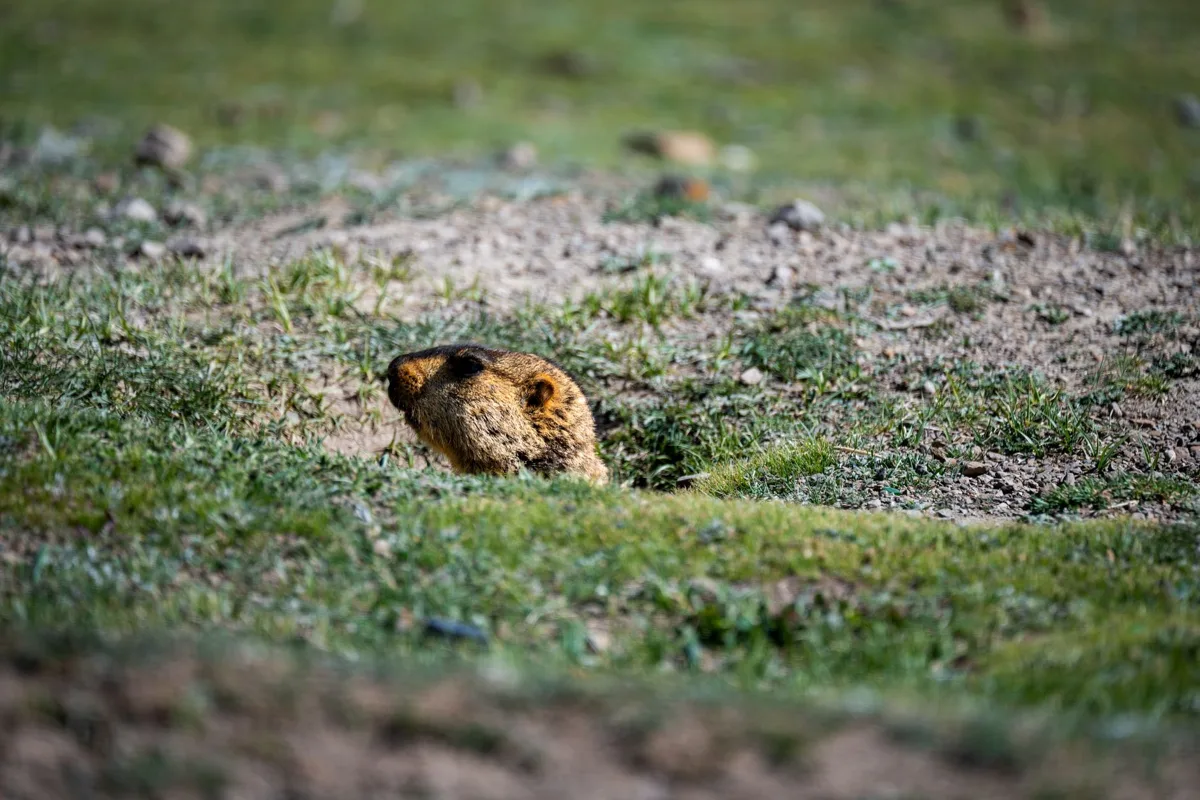
When German immigrants — the Pennsylvania Dutch — settled in the New World, they brought the Candlemas-animal custom with them. Finding no familiar badgers but an abundance of groundhogs, they simply recast the local animal in the ancestral role. The famous ceremony at Punxsutawney formalised the tradition in the late nineteenth century, complete with a named groundhog, “Phil,” and a good deal of showmanship. Phil is now a national celebrity — though, for the record, studies of his track record put his accuracy at little better than a coin flip, which is about what you would expect from a rodent and a shadow.
Why the ritual endures
Groundhog Day survives partly because it is delightfully absurd and partly because it satisfies a real human impulse: the midwinter craving for a sign that spring is coming. That the “forecast” is meaningless hardly matters; the ceremony is a communal act of hope dressed in comic costume. Its persistence is a reminder that traditions can be entirely sincere and entirely arbitrary at once.
The verdict
Older than it looks. Groundhog Day is a genuine descendant of Candlemas weather lore and a German animal-forecasting custom, transplanted to a new country and a new animal — not a quirky modern American invention. For more traditions that feel modern but reach back centuries, see where holiday traditions really come from.
Sources
- “Groundhog Day,” Wikipedia.
- Candlemas weather-lore traditions; Encyclopaedia Britannica, “Candlemas.”