Silly Putty Was a Failed Wartime Experiment
The popular story, checked against the evidence.
The Real Story
- Popular claim
- Silly Putty was invented as a toy.
- Verdict
- Accident
- The record
- It came from a WWII search for synthetic rubber; useless for that, it was later marketed as a toy in 1950.
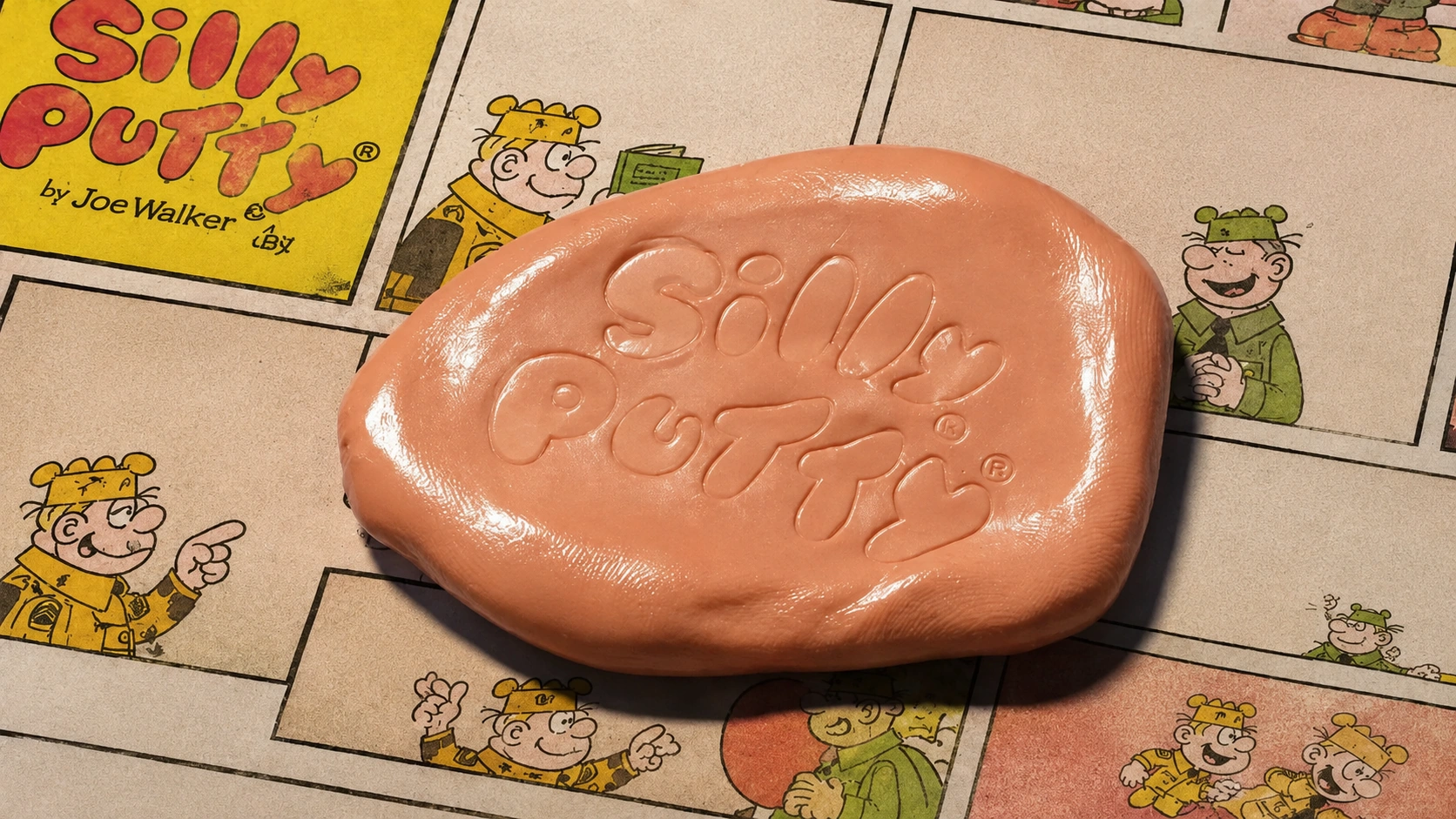
Silly Putty — the pink blob that bounces, stretches, and lifts newsprint — was not designed to amuse anyone. It was a by-product of a serious wartime problem, and for years it was a solution in search of a use.
A rubber substitute that wasn’t
During the Second World War, access to natural rubber was cut off, and there was an urgent push to develop synthetic substitutes for tyres, boots, and equipment. Working on that problem in the early 1940s, a General Electric engineer — the account usually names James Wright — combined silicone oil with boric acid and produced a strange new material. It bounced higher than rubber, stretched and snapped, shattered when struck sharply, and could copy print pressed against it. It was fascinating. It was also useless as a rubber replacement; it had none of the properties the war effort actually needed.
Rescued as a toy
The odd putty circulated as a curiosity for a few years without a purpose. Its second life came from marketing rather than science: a consultant named Peter Hodgson recognised that the very uselessness of the stuff — a substance that did nothing but delight — was its selling point. In 1950 he packaged it in plastic eggs, gave it the name Silly Putty, and sold it as a toy. It became a runaway success and an enduring novelty, its bizarre physics now the entire attraction.
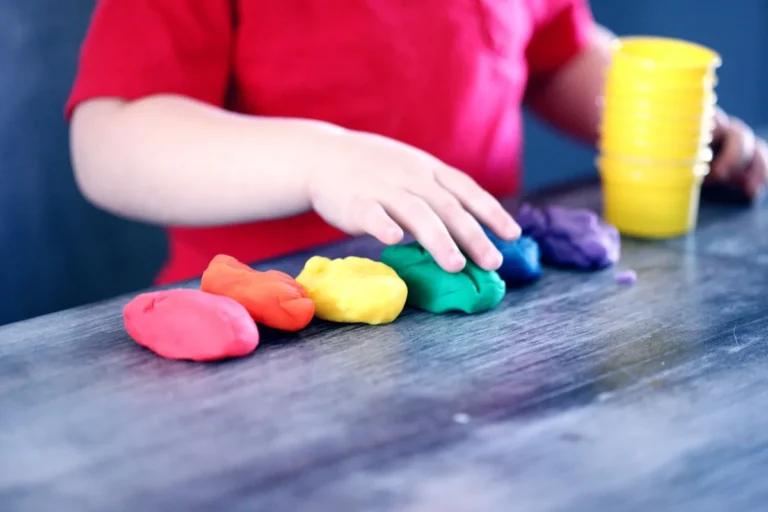
It is a near-perfect example of a familiar pattern: a failed serious invention, kept alive by curiosity, and reborn as a toy once someone reframed what it was for — the same arc as the Slinky and Play-Doh.
The verdict
Accident. Silly Putty emerged from a wartime search for synthetic rubber, proved useless for that job, and was reinvented as a toy in 1950. For more happy accidents, see the true stories behind famous toys and mascots.
Sources
- “Silly Putty,” Wikipedia.